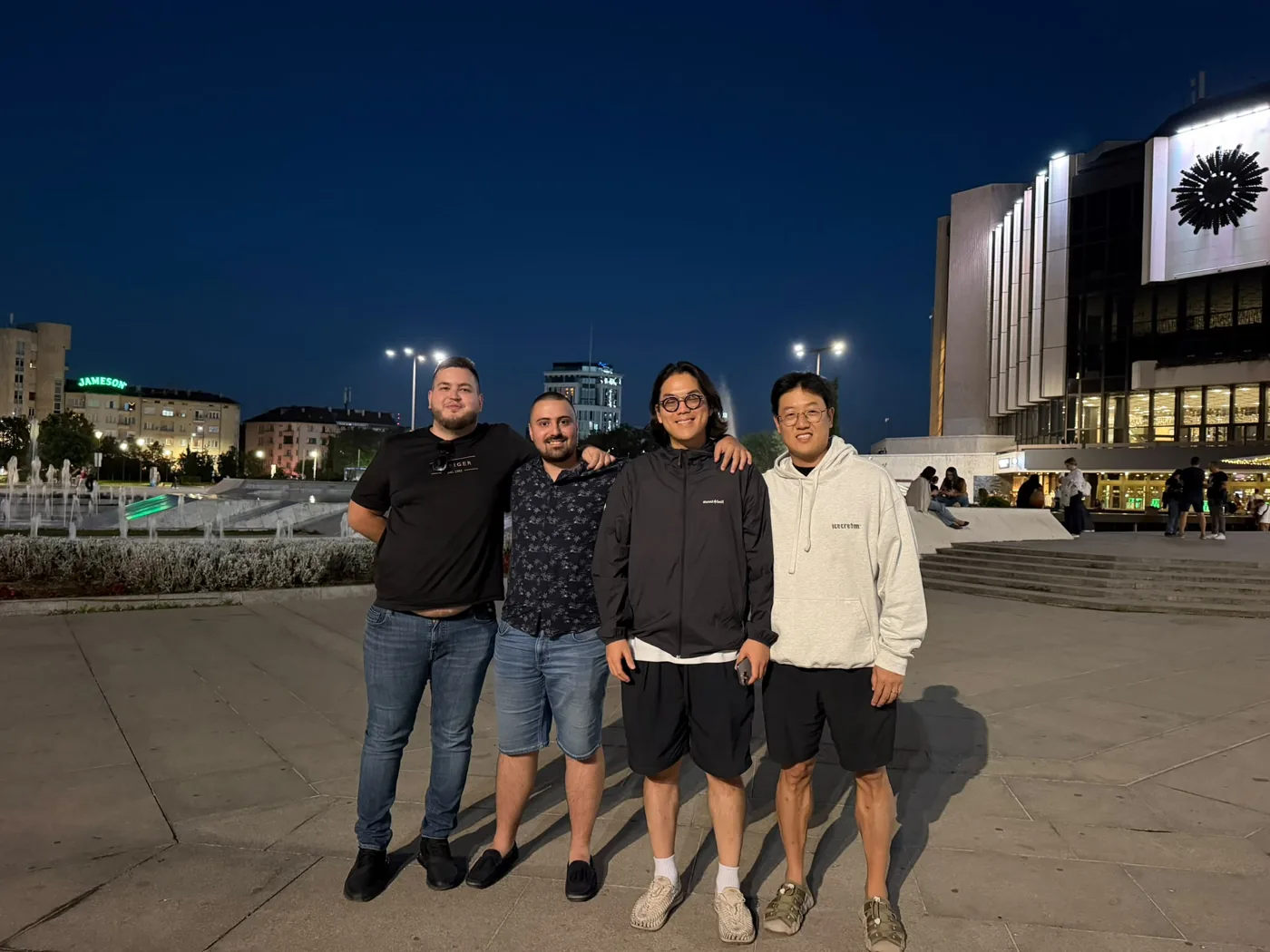
The LMN team just spent time in the Balkans, sitting down with dealers from Albania, Kosovo, and Bulgaria who import used cars from Korea — the people who put our inspection reports in front of their own customers.
Why we show up in person
A used car deal from Korea already asks people to trust a lot from a distance. Our job is to close that gap — to put a person next to a car the buyer can't stand next to. It would be strange to do that for the car and not for the partnership behind it.
So we show up. Meeting a partner face to face — seeing their lot, hearing what their customers ask for, understanding how cars actually move once they land — tells us things an email thread doesn't. It's the same principle on both ends: be there in person, and deal in what you can actually see.
Trust is easy to claim from a website. It's easier to earn across a table.
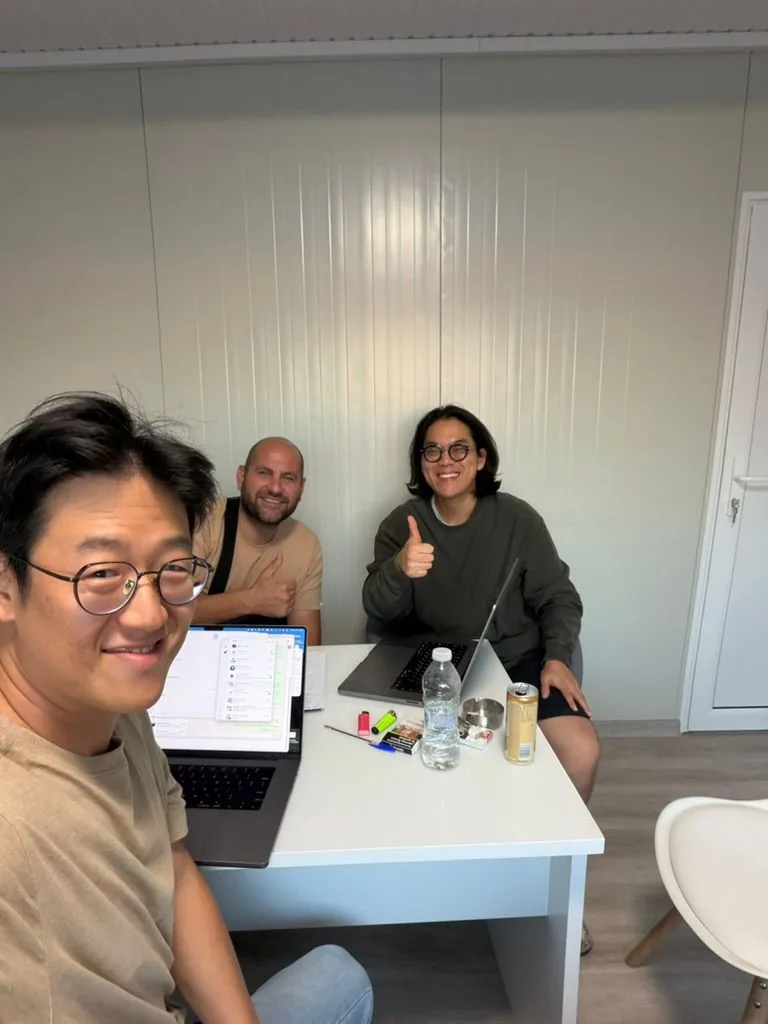
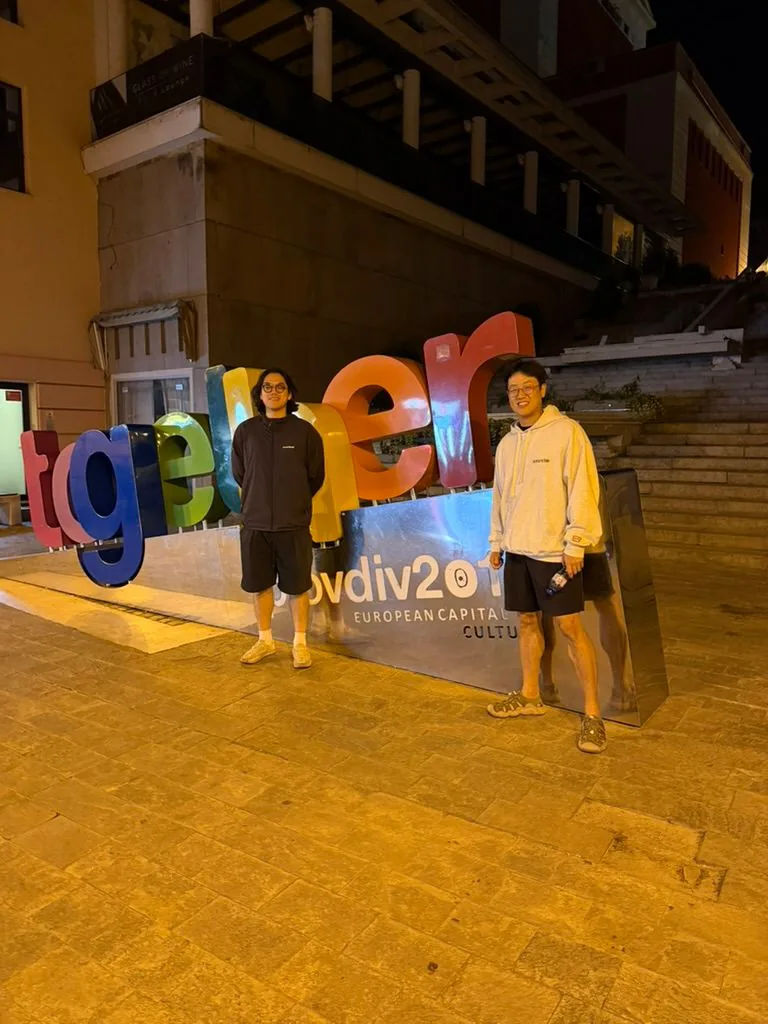
What we heard
Wherever we go, the core question is the same: can I trust a car I haven't seen with my own eyes? That's what LMN secondary inspection is built to answer — a car you request it for gets a report of photos, video, and plain-English notes that a dealer can hand straight to their customer.
Each market also has its own shape. This is what dealers told us:
- Kosovo — imports are capped at 10 years old, and demand leans toward German brands and diesel. So dealers are hunting newer German diesels inside that age window.
- Albania — used cars come mostly from the US, Canada, and Korea. Out of Korea, Hyundai, Kia, and Audi are the names in demand. A few Chinese EVs, such as BYD and Zeekr, are starting to show up too.
- Bulgaria — the pull is toward German brands: Mercedes-Benz, BMW, and Audi. As an EU member, Bulgaria also imports heavily from within Europe, so Korea is one source among several.
How the car gets there
One thing partners always ask: how does the car actually get there, and how long does it take? There's more than one door.
- Albania and Kosovo — cars ship from Incheon to Durrës, Albania's port on the Adriatic. For Albania, that's the destination; for Kosovo, the car continues inland by road, mostly within a day.
- Bulgaria — served two ways: through Durrës and then overland, or through the big Northern European car ports of Bremerhaven (Germany) and Rotterdam (Netherlands) and then overland.
Sea leg · Incheon → Durrës
Approximate — sailing schedules and transit times vary by carrier, route, and season.
Importing from Korea in the Balkans?
If you're a dealer in the region and you want a partner on the ground in Korea — someone who can inspect a car before you secure it and send you a report you can show your own customer — we'd like to meet you too.
Get started with LMN →More to come on the Bulgarian market in our next post.
Buying from Korea? See how LMN secondary inspection works, and what happens after you secure a car. Start at lmnauto.com.
Frequently asked questions
How do used cars from Korea reach Albania, Kosovo, and Bulgaria?
By sea from Incheon. For Albania and Kosovo, cars arrive at the port of Durrës in Albania; Kosovo-bound cars then continue inland by road. Bulgaria is served two ways: through Durrës, or through Northern European car ports such as Bremerhaven and Rotterdam and then overland.
How long does shipping from Incheon to Durrës take?
Roughly 45 days by RoRo (roll-on/roll-off), with departures about twice a month, and roughly 2.5 months by container, with departures about every two weeks. These are approximate and vary by carrier, route, and season.